




Rauschenberg
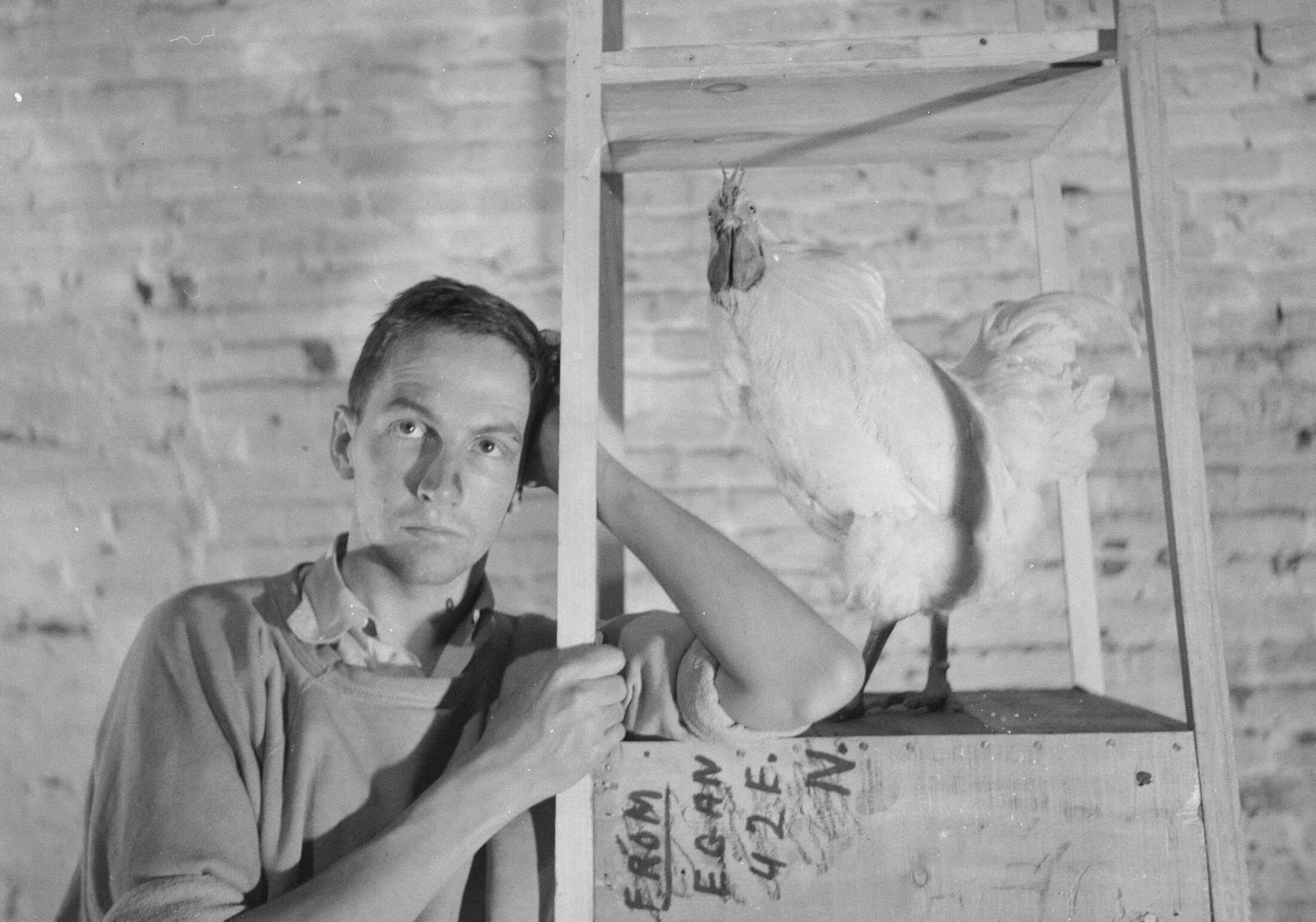
A native Texan, Robert Rauschenberg served in the U.S. Navy before studying art at the Kansas City Art Institute, Academie Julian in Paris, and Black Mountain College in North Carolina. In 1949 he moved to New York City and challenged the status quo with his Combines. Rauschenberg continued to break the mold throughout his career.
News
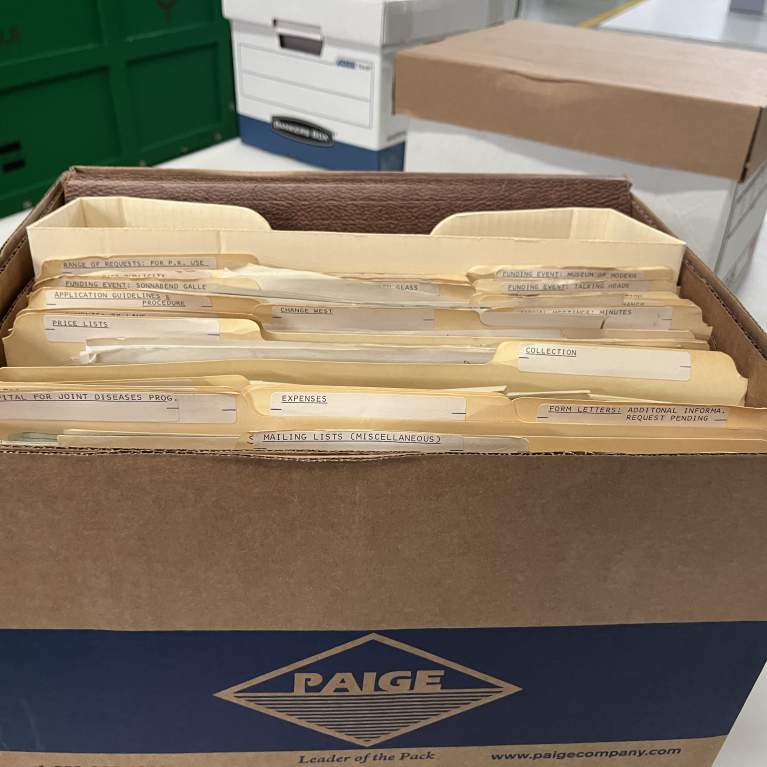
Rauschenberg Foundation Announces Major Archives Initiative
Beginning January 1, 2027, the Robert Rauschenberg Foundation Archives will close to researchers for an estimated eighteen months as the Foundation undertakes a major initiative to expand its access to physical materials and digitize its archival collections.
Over the past five years, we have seen...
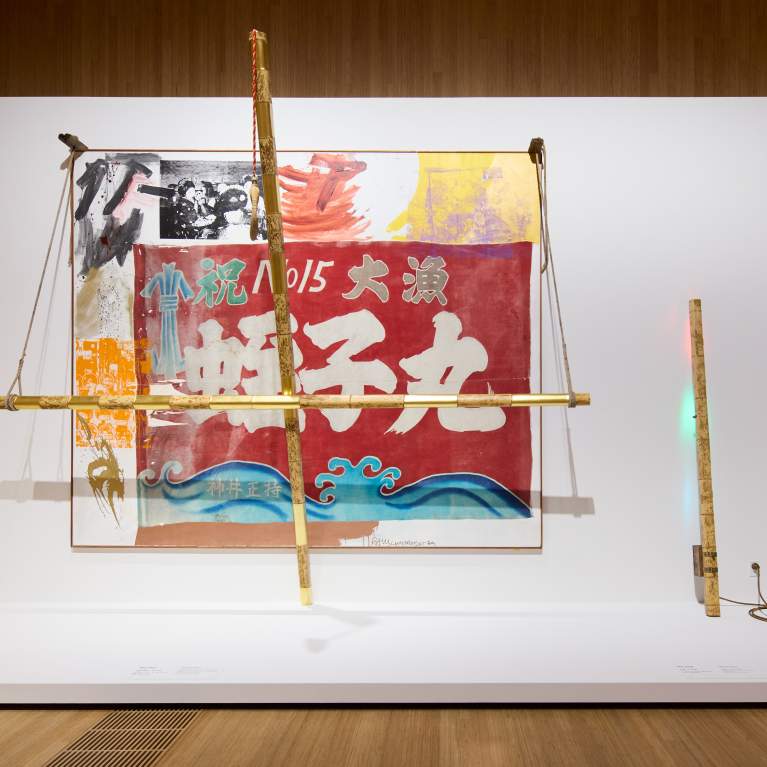
Robert Rauschenberg and Asia, M+, Hong Kong. Photo credit: Dan Leung
A Centennial in Review
Robert Rauschenberg (1925-2008) lived with the conviction that engaging with art can nurture people’s sensibilities as citizens, community members, and individuals. The global celebrations of his Centennial, held throughout 2025 and well into 2026, sought to encourage audiences familiar with his...
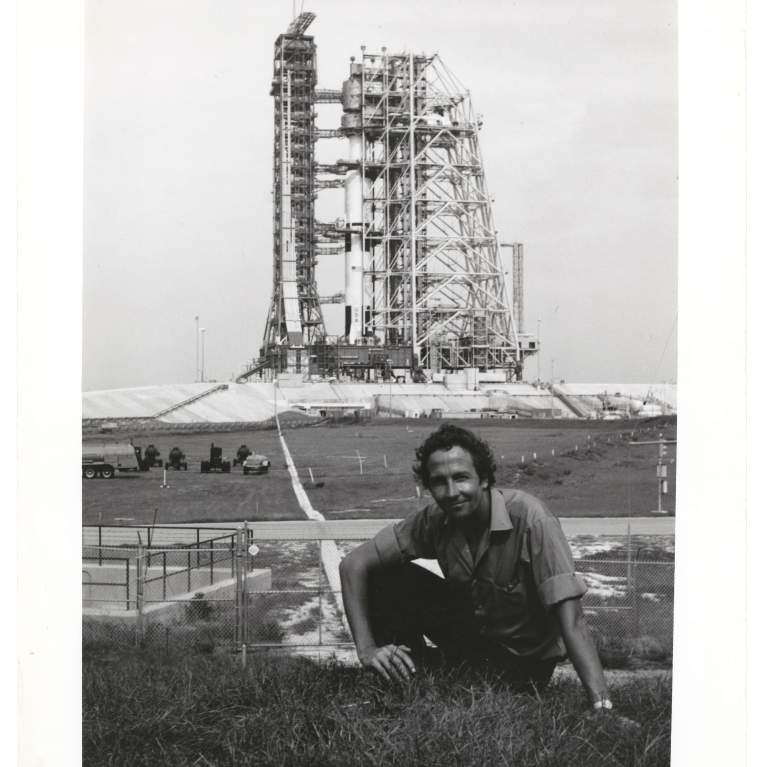
Robert Rauschenberg in front of the Apollo 11 launch site, Cape Kennedy, FL, July 1969. Photo credit: James Dean
"When Rauschenberg's Art Took Flight:" National Air and Space Museum Exhibition Featured in "The Financial Times"
On August 15, 2026, The Financial Times featured a review of The Ascent of Rauschenberg: Reinventing the Art of Flight at the newly refurbished Flight and the Arts Center at the Smithsonian’s National Air and Space Museum in Washington, D.C., open through July 2027. Read Neville Hawcock's article...
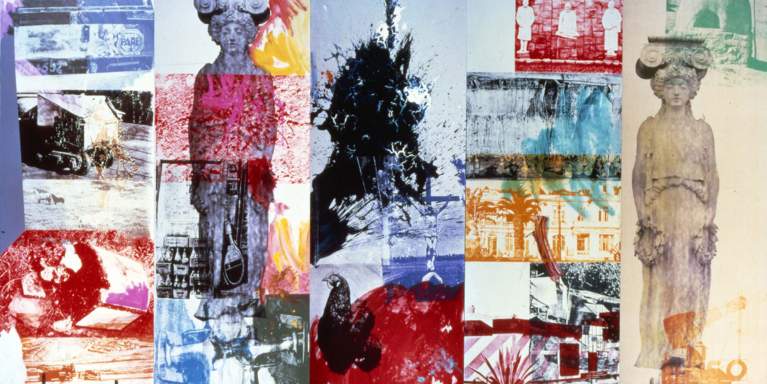
Artwork
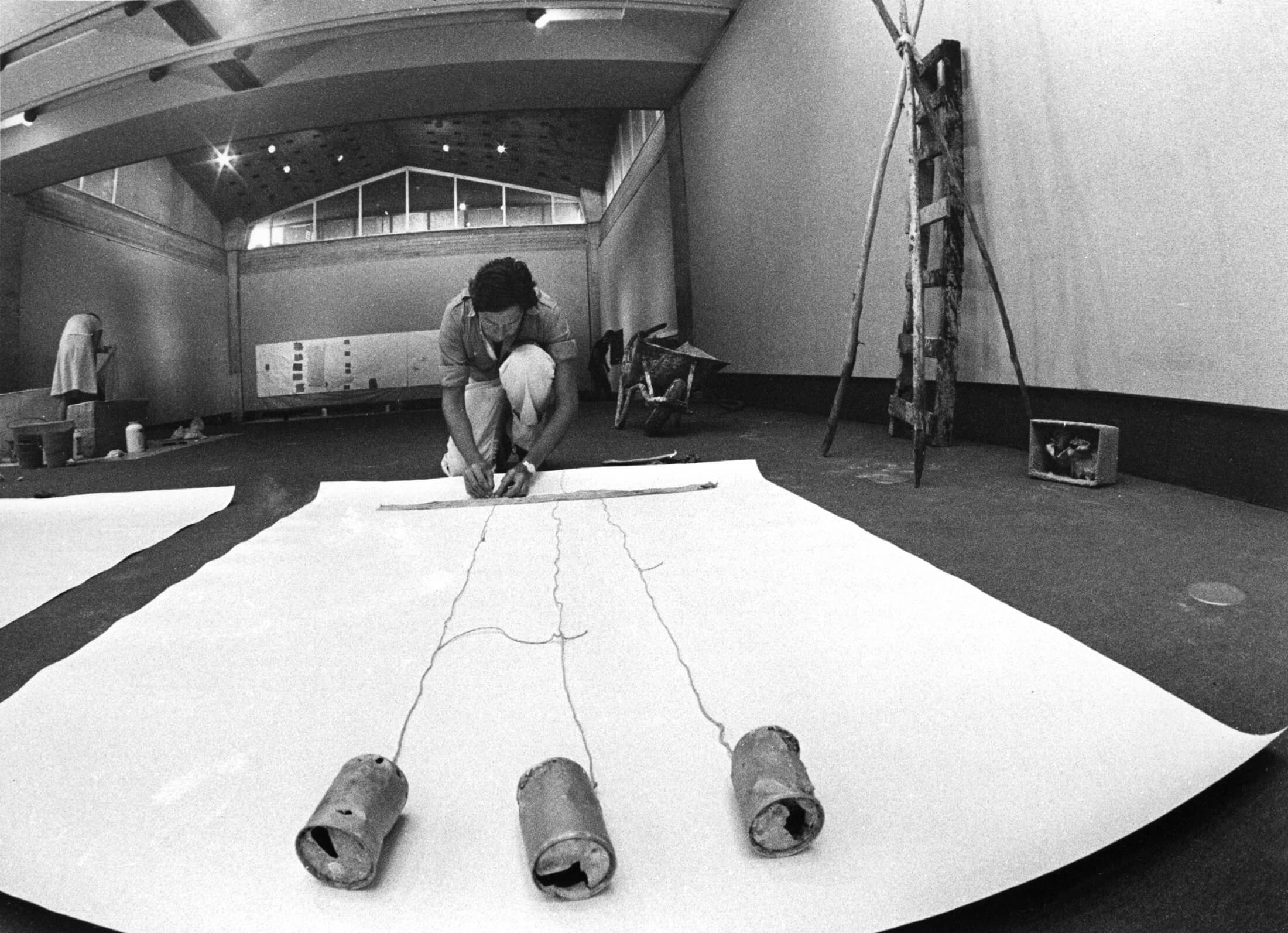
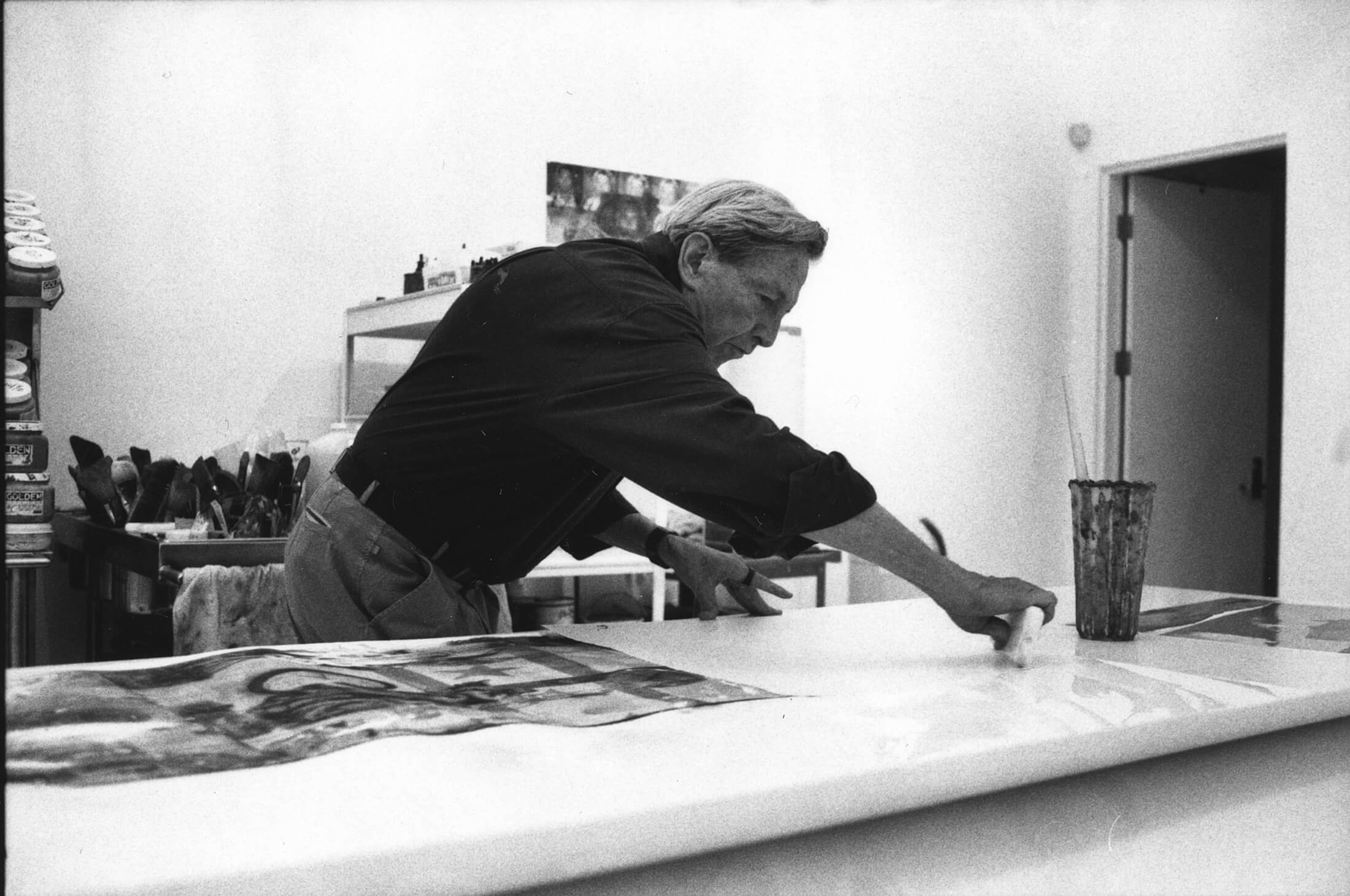
Working in a wide range of materials, techniques, and disciplines, Rauschenberg is celebrated as a forerunner for nearly every art movement since Abstract Expressionism. Become acquainted with Rauschenberg's art and life through highlights from his career and the Foundation's archives.
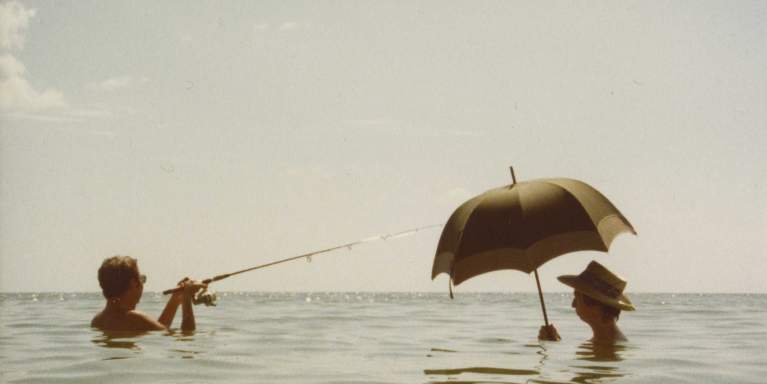
Artist
The Robert Rauschenberg Oral History Project, undertaken in collaboration with INCITE/Columbia Center for Oral History Research, is a collection of firsthand accounts, as told by the artist's family, friends, and many collaborators. To date, we have released thirty-three oral histories to the public.
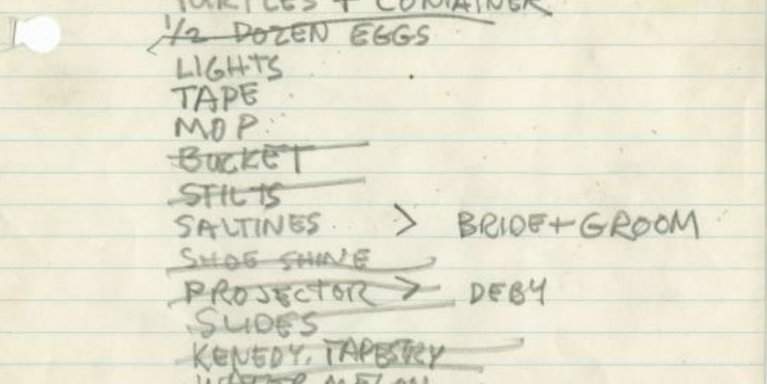
Archives
The Robert Rauschenberg Foundation Archives contain the most comprehensive body of information on the artist’s life and career. This rich resource includes the artist’s personal writings, sketches, correspondence, and audiovisual material, as well as documentary photographs and records from his collaborators.
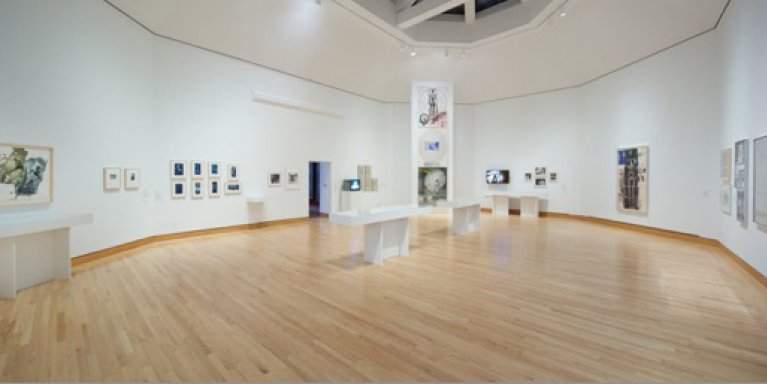
Programs
The Robert Rauschenberg Foundation supports programs for artists, initiatives, and institutions that embody the same innovative, inclusive, and multidisciplinary approach that Rauschenberg exemplified in both his art and philanthropic endeavors.
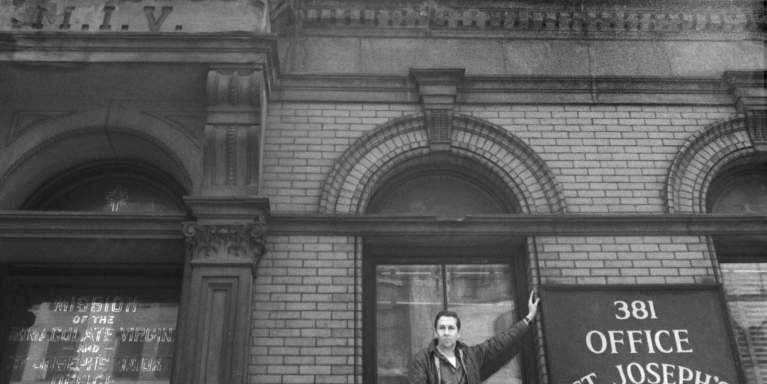
Residency
The Robert Rauschenberg Foundation hosts Research Residencies at the Foundation’s New York headquarters. These residencies, which are by application only, are designed to provide time and space for research in the Foundation's Archives.
Foundation
The Robert Rauschenberg Foundation was founded by the artist in 1990, and transitioned to its current mission in 2012 – to foster the artistic and philanthropic legacy of Robert Rauschenberg through scholarship, grants, and a residency program.